








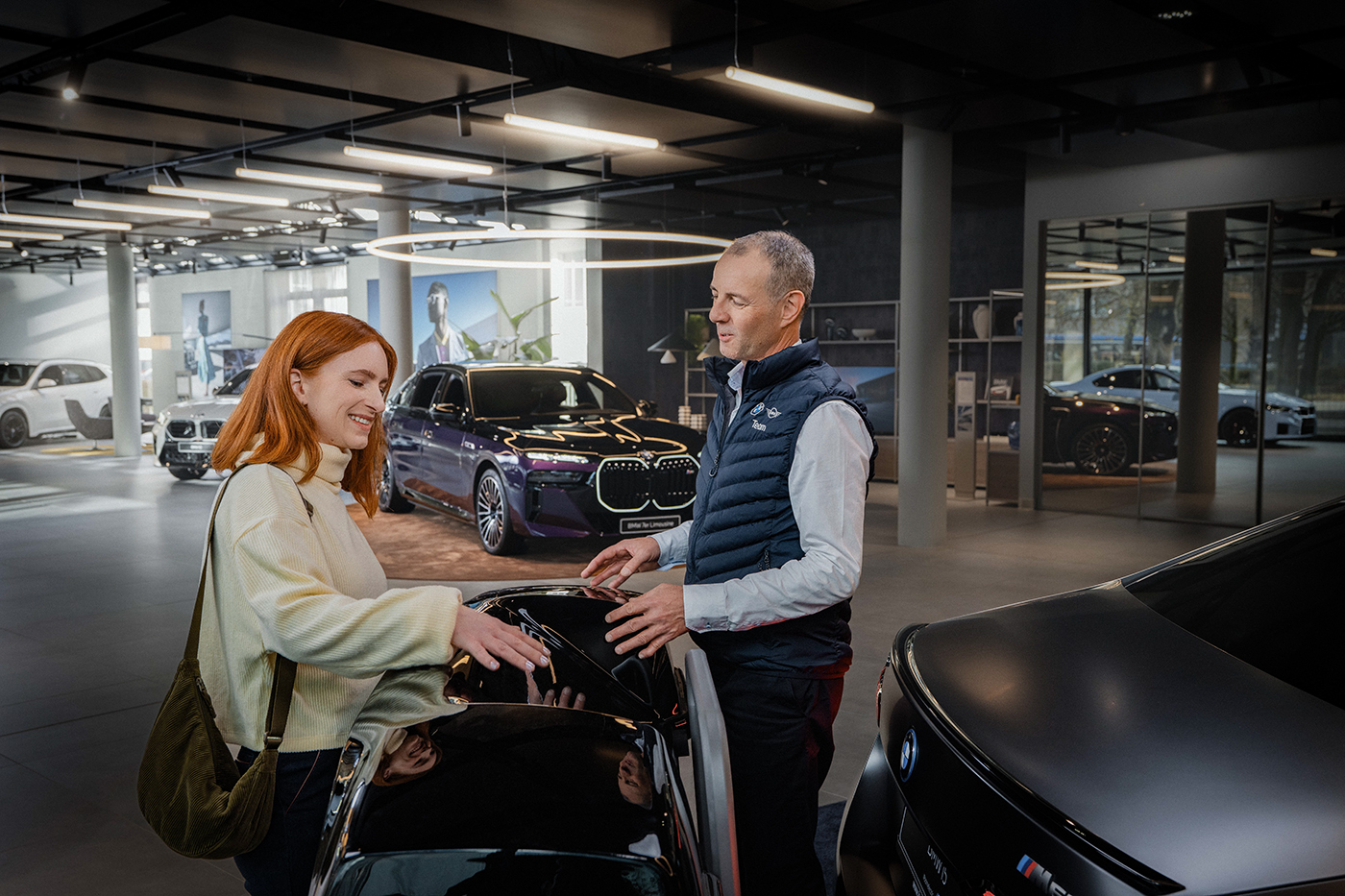

Artificial Intelligence plays an important role in the mobility of tomorrow. It helps vehicles better understand their surroundings, interpret situations intelligently and provide targeted support for drivers. Sophia is a Technical Project Lead at the BMW Group and works on AI solutions for future vehicle generations. In this interview, she talks about her career path, her work on intelligent vehicle functions and why curiosity and a willingness to learn in the field of AI are often more important than the perfect CV.

05.08.2026
Making AI understandable: How Sophia is helping shape the future driving experience.

Sophia, your degree was not directly related to AI. How did you find your way into this field?
“I studied Print and Media Technology and joined the BMW Group through an internship. That was where I got to know the automotive industry and quickly realised how much technical topics fascinated me. After that, I worked in various areas – from hardware topics and vehicle development through to project management. When the opportunity came up to move into the AI field, I took it straight away. I gained most of my technical know-how through hands-on experience. I learnt a great deal from colleagues, explored technologies in depth and, above all, tried things out. Of course, not everything works perfectly all the time. But that is exactly how you learn.”
Today, you work as a Technical Project Lead in the field of AI. What exactly do you do at the BMW Group?
“I work as a Project Lead for Context Data Layers for Driver and Driver Assistance Functions in the vehicle. Our team focuses on AI layers in future vehicle architectures. Put simply, we ensure that different data sources are intelligently combined so that future vehicle functions can better understand situations and make appropriate decisions.”
What does a typical working day look like for you?
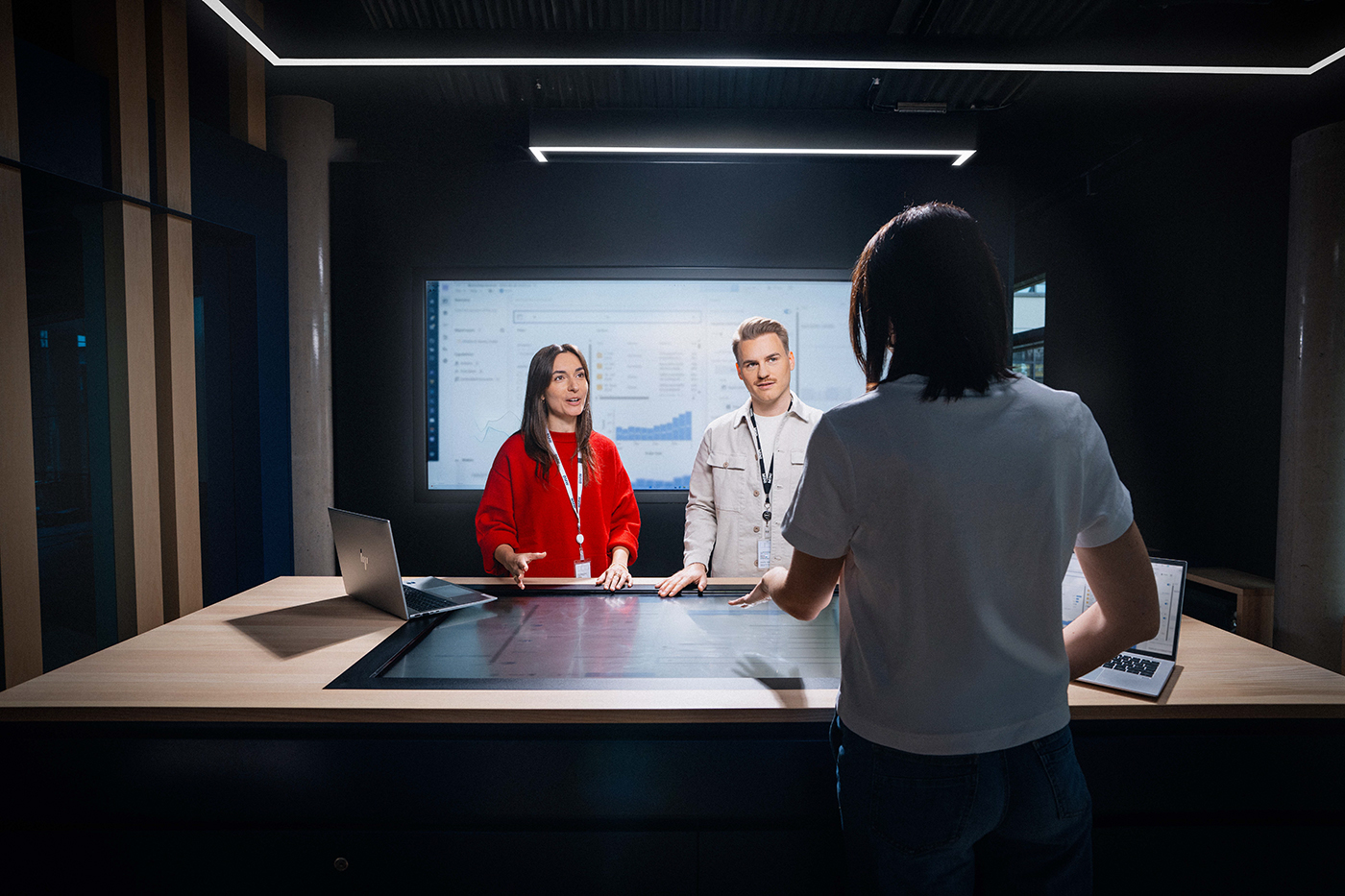
“The day usually starts with a stand-up with my team. We discuss current topics, but we also exchange ideas about the latest developments in AI. In our area in particular, new technologies, models and frameworks are constantly emerging, and we assess their potential for the BMW Group. After that, we work on technical concepts, discuss architectures, coordinate with stakeholders and evaluate new solutions. A large part of our work is about developing the vehicle architectures of tomorrow today.”

There is so much happening in the field of AI. You open your laptop in the morning and something new has already happened, or a new innovation has entered the market. That makes it essential to stay up to date. I am the link between the highly technical architects and the project leads on the product side. You never lose sight of the product, and you never lose sight of the technology. That is exactly what makes this role so attractive.
How much of your job is technology, and how much is project management?
“Both. That combination is exactly what makes my role so exciting. I work at the interface between technology and product. On the one hand, I take care of traditional project management tasks; on the other, I support technical decisions, accompany exploration phases and work closely with software architects and developers. I believe roles like this will become increasingly important. Especially in future-facing fields such as AI, we need people who understand the technical side while also keeping the product requirements in view.”

How will customers experience the results of your work later on?
“Of course, you do not actually see the software itself. What becomes visible are the functions it enables. What I find particularly exciting is the development of intelligent assistance and driving functions that will be able to interact even better with users in future. One key focus of our work is the explainability of AI-supported driver assistance systems. In future, systems should not only make decisions, but also communicate them in a way that is easy to understand. For example, if a vehicle cannot perform a lane change or responds differently than expected in a particular situation, users should be able to understand why.”

In future, vehicles should be better able to explain what information they perceive, what decisions result from it and what options they offer. That creates trust in the vehicle.
When you think about the future, which intelligent vehicle function would you personally like to experience?
“Many people immediately think of fully autonomous driving when they hear the term AI. But what excites me even more is the idea of a vehicle explaining its decisions in a way that is easy to follow. I want to be able to understand why a function does something – or why it does not. In my view, that is exactly what will shape the user experience of the future.”
You work closely with colleagues in India. What does that collaboration look like?
“As part of BMW TechWorks India, we have established a team that supports us with a range of AI and software topics. I was able to contribute to the recruiting process myself and help attract new talent for these exciting tasks. Today, we work together every day – from developing new AI models to shaping future vehicle architectures. That is exciting not only from a professional perspective, but also culturally enriching. Working in an international environment shows me every day how important different perspectives, teamwork and a willingness to keep learning really are.”
What personally inspires you most about your work?
“For me, it is the opportunity to actively help shape innovation. Every day, we work with technologies that can influence the driving experience of the future. At the same time, I see how ideas become real functions that will later create genuine added value for customers.”
What should talents bring with them if they also want to work in the field of AI?
“Knowledge in areas such as machine learning, software development or modern AI frameworks is certainly helpful. But curiosity, openness and a willingness to keep learning are at least as important. AI is developing extremely quickly. That is why you should not be afraid to try out new things or make mistakes from time to time.”

Find out more.
Do you find Sophia’s insights inspiring? Discover more insights, entry opportunities and jobs in the field of artificial intelligence.